
Pheromones and aphrodisiacs in perfumery
by Verano Fragrance about 3 years ago
It's no secret that one of the most significant aspects of human relationships is sex, and marketers around the world have been shamelessly exploiting it for decades. Perfumery is one of the most favourable platforms in this regard, as rare fragrances promise to make you more sexually appealing. Many people genuinely believe that perfume compositions contain attractant substances. And on the eve of Valentine's Day, Google is flooded with queries like "most seductive fragrance," "perfumes with pheromones," and "aphrodisiac perfume." We explain why aphrodisiacs don't work and why pheromones in perfume compositions are nothing more than a widespread myth.
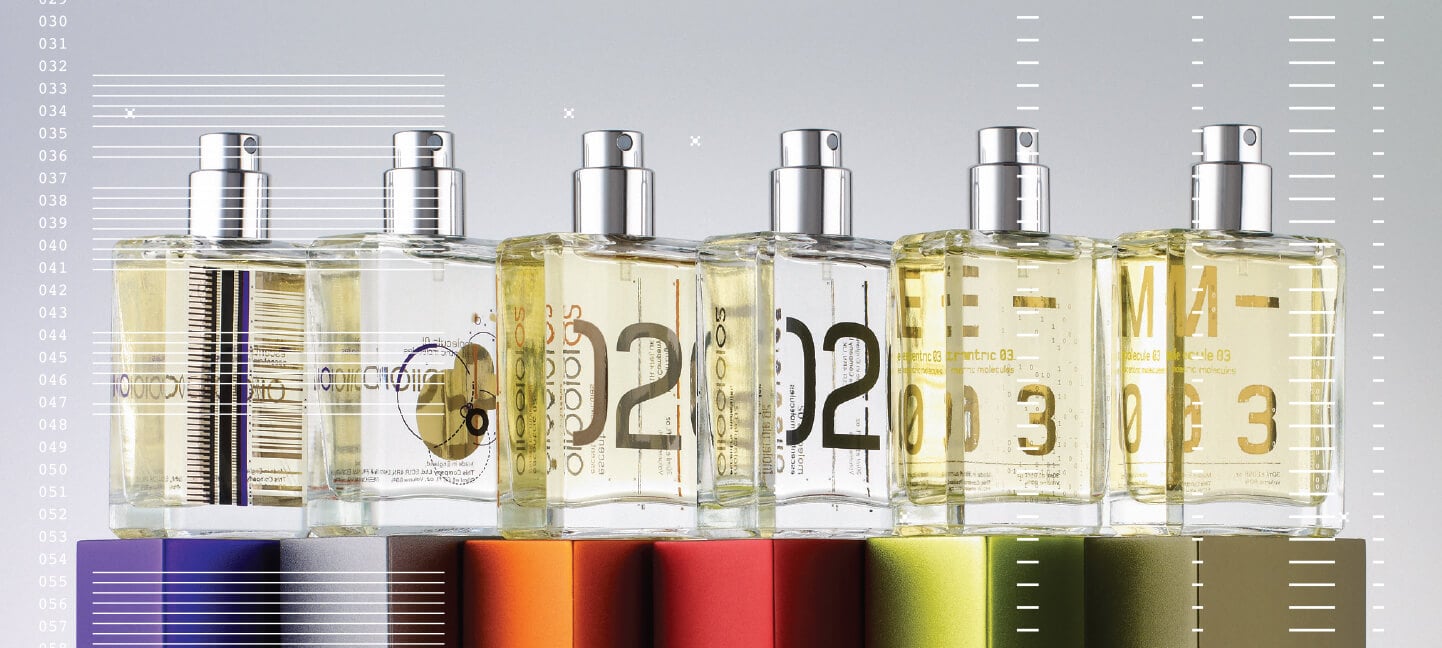
In 2006, German perfumer Geza Schoen introduced the "anti-fragrance" Molecule 01 by Escentric Molecules, which was characterized by an overdose of the synthetic substance Iso E Super. According to the creator, Molecule 01 resembles magical invisible ink that enhances the natural scent of the skin rather than masking it. This seemingly harmless story of a niche brand turned into an epic tale involving pheromones and aphrodisiacs, and brief mentions of the magical power of these mysterious molecules still appear in glossy magazines. However, there are no special properties attributed to Ambrosian and Iso E Super, the key components of its initial compositions—they are simply fragrant substances, just like any other.
In general, the term "aphrodisiac" refers to any food, drinks, or substances that are believed to enhance libido, potency, and sexual pleasure. They are named after the Greek goddess of love, Aphrodite. By the way, according to one version of the myth, Aphrodite was not simply born from sea foam: Cronus, the father of Zeus, castrated Uranus, the grandfather of Zeus, and threw his genitals into the sea—Uranus' blood and semen mixed with the sea foam, giving rise to Aphrodite. Therefore, it is not surprising that seafood, especially those resembling genitalia, such as oysters, were among the most popular aphrodisiacs.
To enhance arousal, substances of plant and animal origin have been used in folk medicine of various cultures for centuries. Among them are the sexual organs of animals, rhino horn, durian fruit, oysters, spicy pepper, honey, chocolate, ginseng (and that's just a small part). Aphrodisiacs are not always recommended for internal consumption; they are also available in the form of perfumes. Typically, they contain herbs, and the fragrance pyramid often includes notes of vanilla, jasmine, and musk. However, just like with perfumes containing pheromones, there is no scientific evidence that specific molecules can make people more sexually attractive.
The term "pheromones" refers to a specific list of chemical substances whose influence has been confirmed in studies on the behaviour of insects and some species of mammals, but humans are not included in this category. The reason is that mammals perceive pheromones through the vomeronasal organ. In humans, this organ appears during intrauterine development, but can regress over time. The functioning of this organ in adults is not fully understood.
However, there is a lot of talk online about fragrances that attract men and women and help individuals become more attractive in the eyes of their partners. However, the perception of fragrance is a highly subjective process, making it nearly impossible to predict how pleasing a particular scent will be to a potential partner. The right approach is to pay attention to how much you personally enjoy them, whether they bring you pleasure, and whether you feel more energetic and confident while wearing them.